
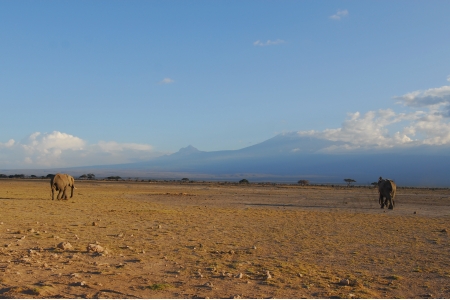
 Amboseli is synonymous with elephants. And while the elephants my look the same to the casual observer, every elephant in Amboseli has a name and can be identified by the researchers studying them. The Jane Goodall of the African elephant world is Cynthia Moss. She has been studying the elephants of Amboseli since 1972 and formed the Amboseli Trust for Elephants (http://www.elephanttrust.org/) which has resulted in a much greater understanding of these amazing animals and helped protect them and their natural habitat.
These two elephants had just finished dusting themselves with dirt prior to heading back towards Mt. Kilimanjaro. With no appreciable rain for over two years, the elephants have to travel long distances to find food and water. Thankfully, a few months after I had visited the park the rains finally came and almost instantly the land was transformed from a desert into a lush green savannah.

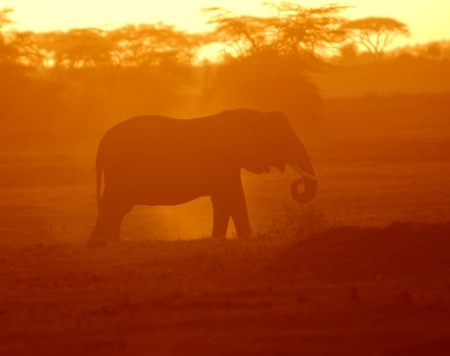 There isn’t much that is better than relaxing at the end of a long day and watching a beautiful sunset, unless of course you are in Africa, where the sunsets seem so much more intense. Add in a majestic elephant and this was the perfect ending to an awesome day of game viewing.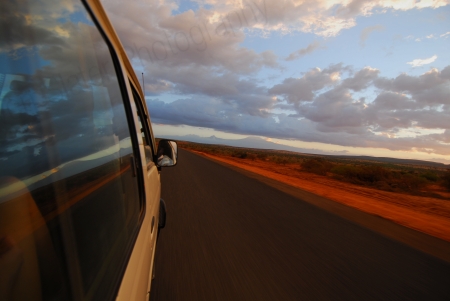
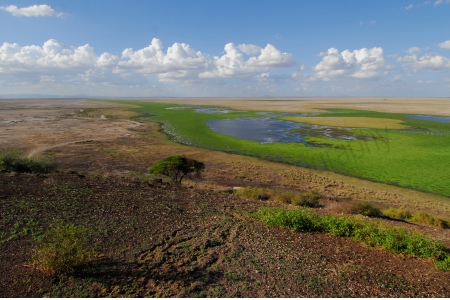 This photo was taken from on top of Observation hill in Amboseli National Park. The park has not received more than a few drops of rain in over two years! I lost count of the number of dead zebra and wildebeest and even other more drought resistant species like elephant and giraffe are severely affected. also cattle we saw on our game drives. So why is there this oasis of water and green vegetation? It is the result of the melting glaciers and snow on top of Mt. Kilimanjaro running down the sides of the mountains. The water from Mt. Kilimanjaro travels several hundred kilometers to the Indian ocean and is often the only source of water for humans and wildlife along the way. Elephants and buffalo are routinely found almost completely submerged in the marshes eating, cooling off and getting a drink while other species come to the edges to drink. By continually walking on the bottom of the marsh the elephants pack down the mud and ensure that the watering holes don’t get filled in and dry up. However, the glaciers and snow on top of Mt. Kilimanjaro are disappearing at an alarming rate which is believed to be due to global warming and the removal of large portions of the forests that grow on the sides of the mountain. It is estimated that within the next 20 years all of the frozen water on top of the mountain will have melted with devastating effects felt by the people and animals that rely on it to survive.
 One of my favorites. I took this photo from the community campsite I was staying at inside Amboseli National Park. Most of the classic photos of Mt. Kilimanjaro in the background with elephants making their way across the savannah are from Amboseli National Park. The tour guide that I had on this trip was not very accommodating so instead of going on an early morning game drive I only had the option of waking up early and walking around the campsite grounds to take photos. Thankfully, the area was quiet large and I lucked out and saw elephants browsing on acacia trees, wildebeest making their way to the watering holes and a beautiful sunrise with a clear view of Mount Kilimanjaro.
 I just managed to stop laughing long enough to take this picture. We were stopped at a gas station filling up on fuel, food and water when this truck pulled in. I didn’t even think it was going to fit under the overhang but they managed to drive it into the gas station and filled up. I believe the container was likely to be used to store water, but as you can see there is not much holding it on to the truck, just a few thin pieces of string! And yes, no yield, oversized vehicle signs or flagging tape. Thankfully I think the truck was so old that is wasn’t capable of accelerating very quickly or being driven very fast. I just hope they got their container home safe and sound without having it roll away and crush anyone!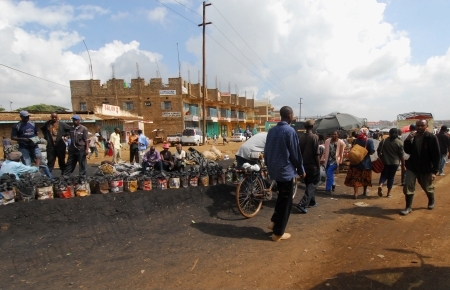
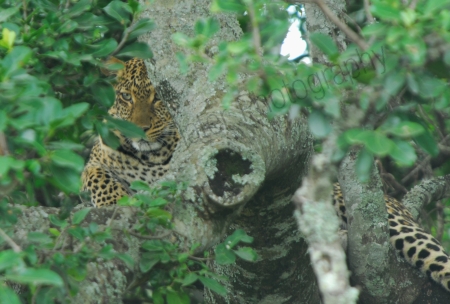 As you can probably guess from these photos, I managed to get back to East Africa last month, specifically Kenya. The first part of the trip was for work as I was attending and instructing at the 2009 PASA (Pan African Sanctuary Alliance) Healthcare Workshop. Afterwards, I spent a week visiting Amboseli and Maasai Mara National Parks and went on numerous game drives. Over the next several weeks I will be posting the photos from my trip and brief stories about each one.
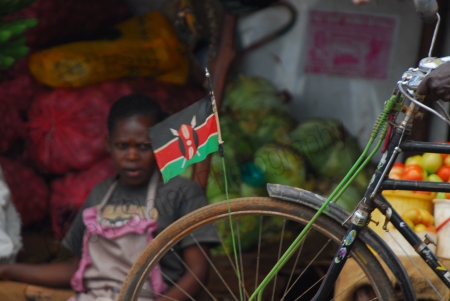
 On this trip I wanted to make sure that I took pictures of some of the daily life and activities of Kenyans and not just focus on the wildlife photography. I took this photo while parked along the Uhuru highway that connects Nairobi to Mombasa at the intersection of the road that heads south to Amboseli National Park. Bicycles are a very common form of transport for everything from water to livestock to furniture to people. This woman flagged down the bicyclist for a ride. Once she was seated and they had started making their way down the highway the man must have told a joke as both burst out into laughter as he pedaled past. As you can see, the tires and frame of the bicycle are coated in red dirt (due to high levels of iron oxide in the soil). All of my clothes, shoes and camera gear got covered in this red soil but amazingly Kenyans wearing white clothes or shoes never seemed to have this problem. They must have some secret for keeping the dust off. Anyway, I will be posting many more photos of various roadside scenes in Kenya over the next few weeks…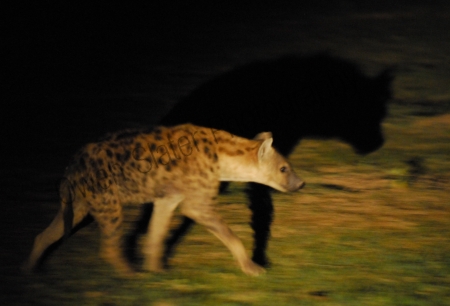


 Owen Slater Photography