
Latest Entries »

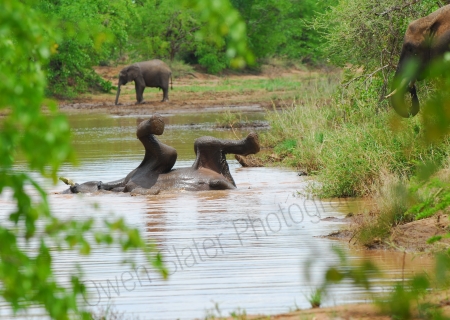
After taking a deep breath the young bull dunked his head under the water and rolled up onto his back. With his feet straight up into the air, he rolled back and forth as if he was using the bottom to scratch his back.
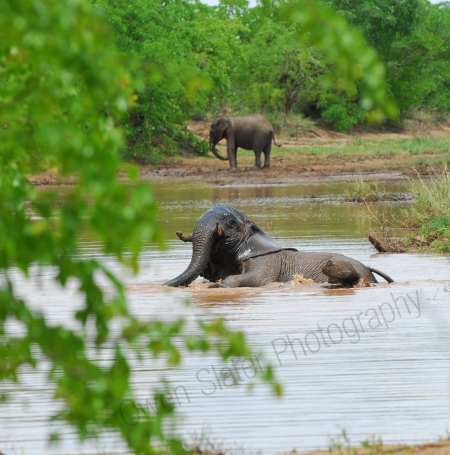
After fully coating himself in mud, this young bull elephant rolled himself up onto his feet before leisurely getting up to rejoin the rest of the bachelor herd. A few minutes later about 10 adult females and their calves emerged from the dense forest to have their turn at the watering whole. In the course of about an hour over 30 elephants stopped by the watering hole for some refreshment and play time. It was amazing to sit and watch them without them having a care in the world that we were there.
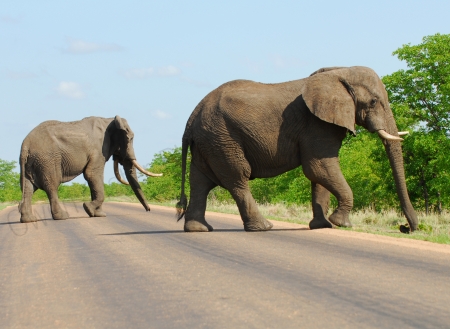 Two huge bull elephants cross the road in front of us. The rental car could have driven between their legs without touching them (although I wouldn’t recommend that you try!). The bull in the back was ancient as you can see by the length of his tusks, which grow throughout their lives. He also had very significant foot problems, especially on the left rear leg. He gingerly made his way across the road and down the slight decline. Foot problems in elephants are well documented in captivity but recent reports indicate that they are also a major cause of disease in wild elephants. In captivity, elephants receive daily foot care to maintain their feet in good condition and to recognize problems early. In the wild minor infections will heal on their own but this male had a deep infection in the left rear inner toe with a significant portion of the tissue missing which was obviously quite painful for him. Over time the infection will reach the bone causing osteomyelitis and could lead to the eventual demise of this magnificent animal.

Cheetah are one of my favorites and I had been on the lookout for them since we entered the park several days previously. On the last day we had a long drive from the Satara campsite to J’burg airport and so it was another early morning. We drove slowly down the road and spotted lots of wildlife, including sable antelope, hyena, and a chameleon. I had all but given up on seeing cheetah but as we came around a bend in the road we spotted two casually walking down the middle of the road. Initially we were the only ones around and slowly followed them along the road. However, within a few minutes another car approached from the opposite direction and instead of stopping and letting the cheetah continue to move along the road, the people drove right up to them to try and get some pictures. The cheetah calmly moved off to the left into the green grass and low laying trees and shrubs that were charred black from a recent fire. Like most of the wildlife in Kruger, they didn’t seem to mind the human attention too much and I was able to get a few decent photos below.

Cheetah jogging along searching for any signs of danger or potential prey
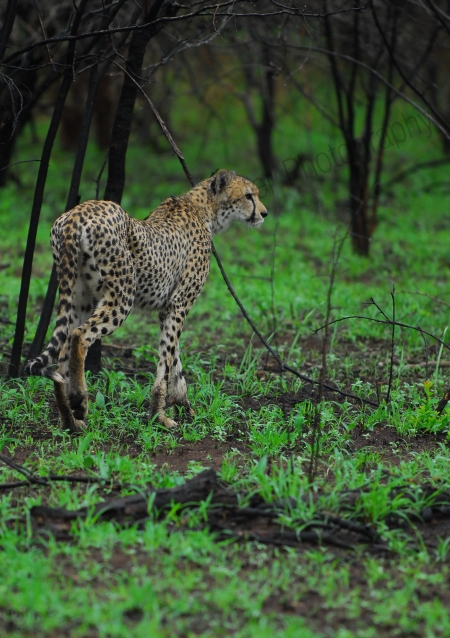
Using it’s keen sight, this young cheetah spots a herd of impala off in the distance. The siblings maneuvered to the be downwind of the herd and slowly crept closer to the herd using the few shrubs as camouflage. However, they still stood out like sore thumbs and the impala easily spotted them in the green grass. The impala emitted their warning calls to the others in the area and casually moved away from the cheetah. Seeing that the had been spotted, the cheetah relaxed and moved off into the bush to regroup. A large percentage of attempted kills by cheetah are unsuccessful and even if they do manage to make a kill, they are routinely pushed off the kill by the much more powerful lions, hyenas and leopards. These two cheetah appeared quiet young and likely just left their mother to try to attempt to establish a territory of their own. Male siblings will stay together to work as a team, while the female siblings will eventually move off to hunt on their own.
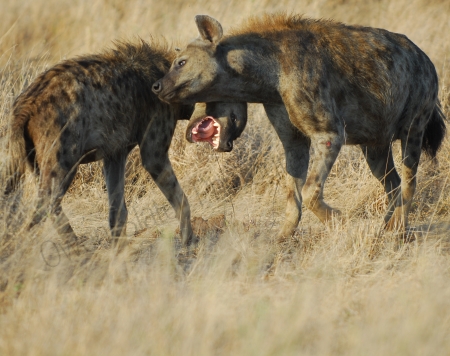
A young hyena bars it’s teeth while assuming a submissive posture to a much larger adult. Female hyena are larger and more dominant than males. Offspring born to the dominant female automatically assume the next highest rank in the group. Their powerful jaws are among the strongest in the animal word and allow them to crush and eat bones.
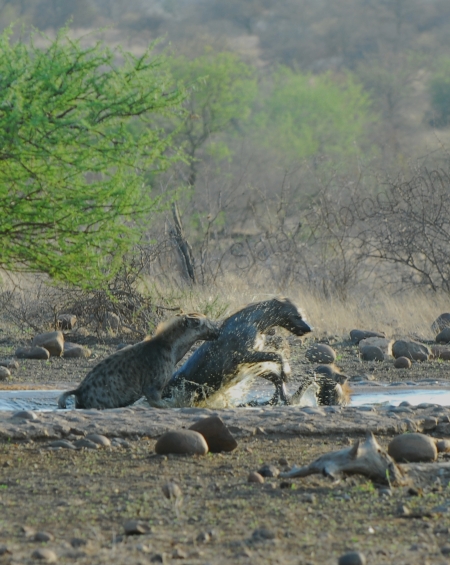
On the drive down from Olifonts to Satara campgrounds we came across a family of hyenas sitting in a man made watering hole. After a few minutes of relaxing in the water two of the hyenas started splashing around the pool. There are many of these watering holes throughout the park and they represent the old way the park and wildlife were managed. In the past, during periods of extreme drought parks staff would fill the basins with water so that there weren’t as many wildlife die-offs. However, this selected for less drought tolerant species and the number of drought resistant species like sable antelope that had naturally evolved to the climatic conditions have decreased. Going forward, most of the man-made watering holes will be decommissioned and the animals will have to re-adapt to life without year round water throughout the park.

With full stomachs and having just cooled off in the artificial pool a young hyena decides to play a game of tag with a somewhat less enthused adult. The game lasted about ten minutes before they made their way back to the den to rest and get out of the heat for the day.

This little chameleon was walking across the main road when we spotted him. After taking a few pictures and scanning for any large carnivores I got out, picked him up and moved him to the grass.
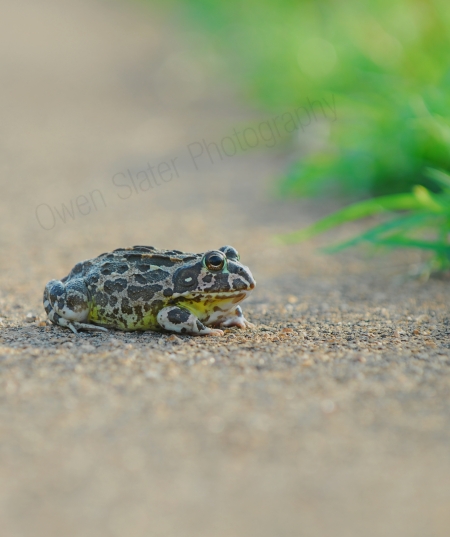 Another roadside spotting. The first day we arrived in the park it had just stopped raining and these guys were all out sitting on the side of the roads looking for insects and warming up on the asphalt. Farther down the road we came across a green snake trying to eat on of these frogs but the frog inflated itself so much that the snake could not get it’s jaws around it and gave up. Unfortunately my camera decided to malfunction at this precise moment and all the pictures I had taken were out of focus.
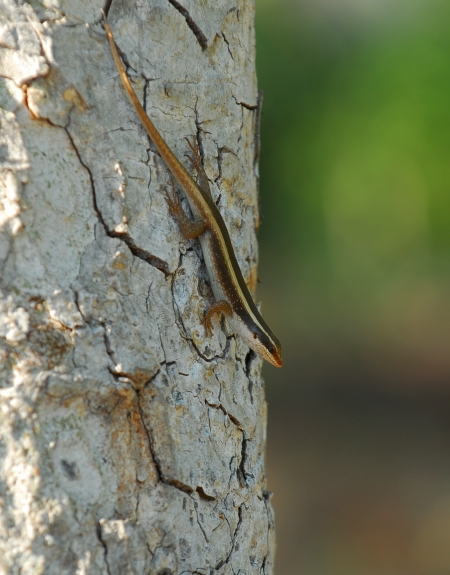
This little skink’s movement caught my eye as I was sitting in the car watching nearby impala. When I pointed my camera at him he froze for a few seconds before continuing down the tree and out of sight
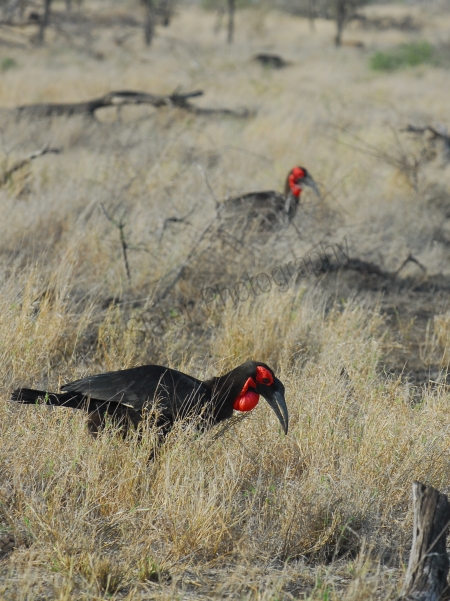 These prehistoric looking birds have historically been difficult for me to get close enough for decent photographs but I have seen them on numerous safaris in Kenya and Uganda. However, this family of three consisting of 2 adults and a juvenile were walking along just adjacent to the road between Satara and Olifants camps in Kruger National Park. They didn’t seem to be bothered at all that we were there and they continued to search for food. They are opportunistic in what they eat which can include insects, lizards, snakes and even hare. When they catch something small enough to shallow whole, they first toss it up into the air like a piece of popcorn before consuming it.


 Owen Slater Photography