Category: Canada


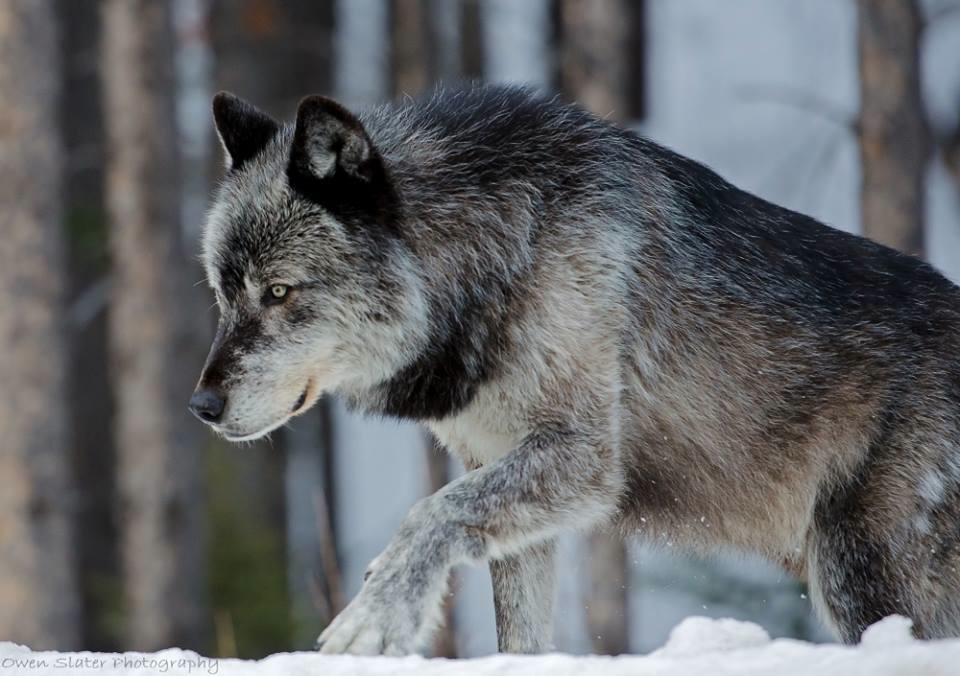
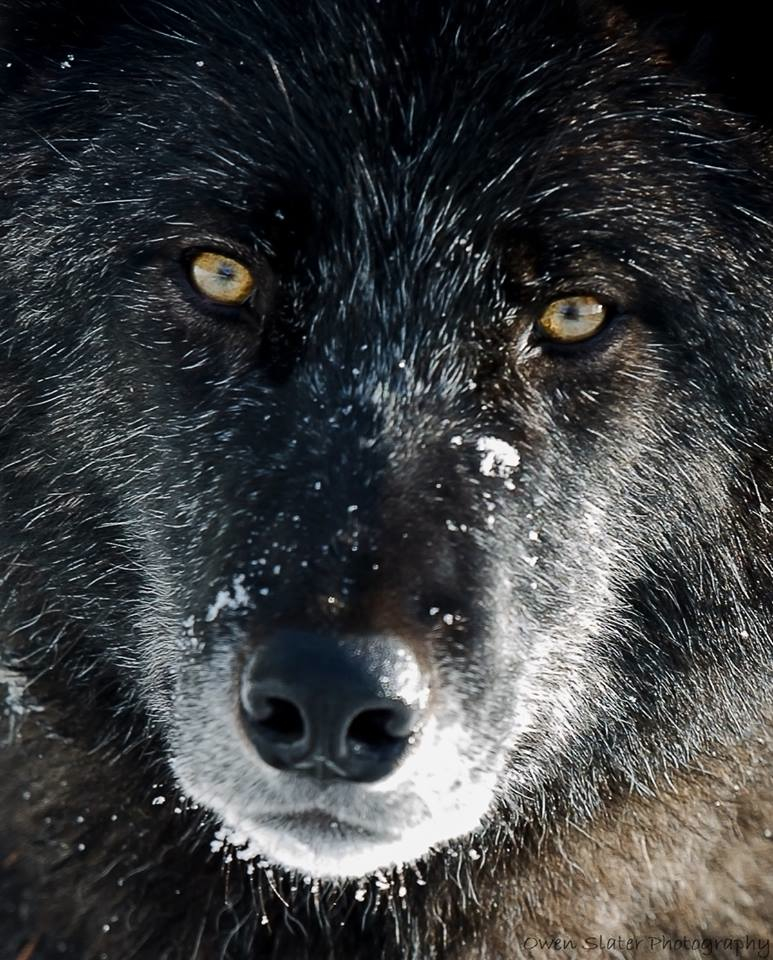
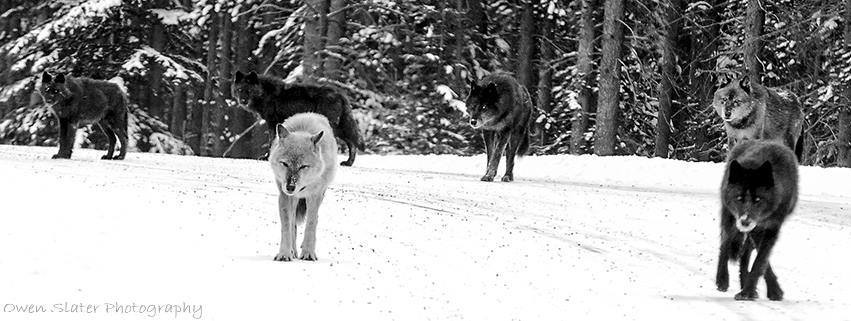
For those familiar with the Bow Valley Pack of wolves in Banff National Park, it has been a very unusual winter. At this time of year with luck, persistence and knowledge of wolf movements, it’s not uncommon to come across the pack of wolves that frequents the Bow Valley.

BVWPEach winter they travel throughout their territory between Banff and Kootenay National Parks. This winter the pack appears to have splintered with what appears to be only a few juveniles remaining. No concrete information on what has happened to the breeding adults (known locally as ‘Faith’ and ‘Spirit’) has surfaced, but with no sightings of them over the past several months the most likely explanation is that they are no longer alive. Both were getting up in age with each estimated to be around 9 and 11 years old.

FaithIn Spirit’s case, his canine teeth were worn down almost to the jaw line and after most hunts it was not uncommon to see him and Faith limping around for several days or weeks. Only three wolf pups were born in 2014, down from their usual number of 6, which was another indication that their time as the resident pack in the Bow Valley was coming to an end.

SpiritIf indeed they are no longer alive, it will take a while before a new wolf pack moves in and gets established. Time will tell, but for the moment it seems the wolves of the Bow Valley are in a state of flux.

Sunshine

Rogue Beaver

When you think of the Alaskan Highway what comes to mind? Probably beautiful landscapes, mountains, camper vans and occasional wildlife sightings along the shoulders. How about a feisty beaver walking down the highway?

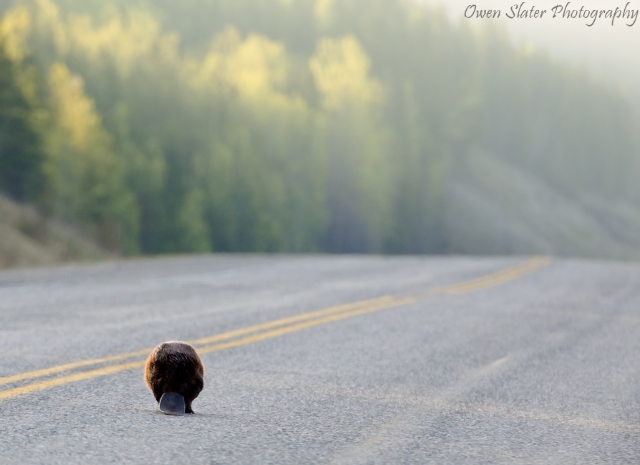
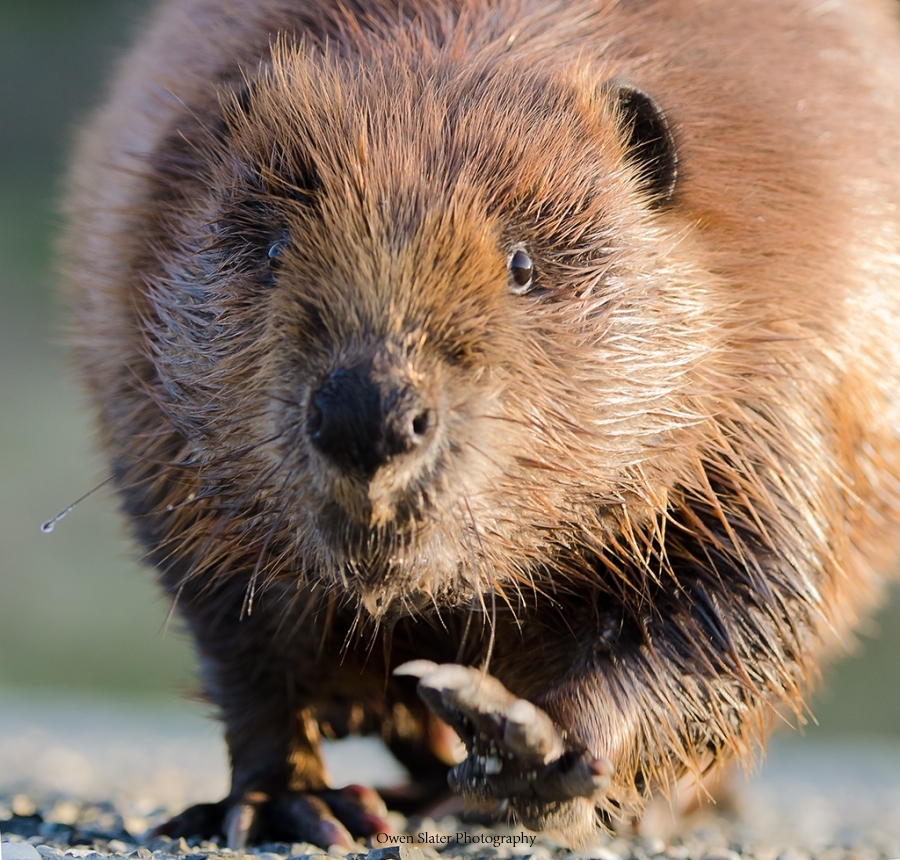
Beaver walking down road WMWith no water in sight and no easy escape route from would be predators, the last place I expected to find a beaver was on a high elevation portion of the Alaskan highway in Northern BC.

Maybe it was the lure of fresh Aspen trees off in the distance or a predetermined rendezvous with another beaver, whatever the case, this one had decided to set out down the road.

As I came around the bend I had to slam on my brakes to avoid hitting it. Of course my next reaction was to pull over, grabbed my camera and start taking photos. After all, who would believe me if I said I saw a beaver walking down the Alaskan Highway?

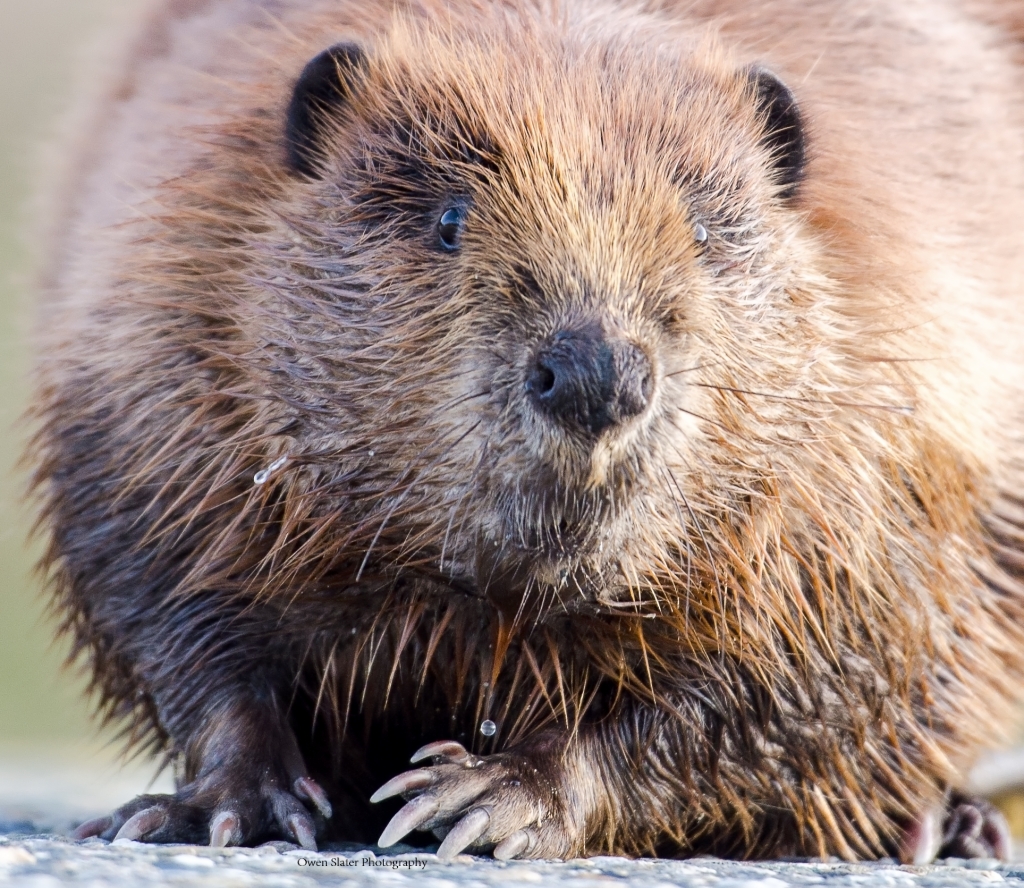
After taking the above photo, I got out and tried to coax it off the road, but the plan didn’t really pan out the way I had drawn it up. Instead of leaving the road the beaver sat down and silently sized me up. It wasn’t budging and if anything it seemed more determined than before to stay put on the tarmac.

Road Beaver WMAfter sizing me up, the beaver stood and slowly stalked towards me. Then, with an unexpected and surprising burst of speed, it lunged forward as it let out menacing hiss. I had to quickly jump back to avoid being chewed on, but a new plan came to mind.

Charging Beaver WM

I used the beaver’s fighting spirit to lure it off the road and into the nearby ditch just as a car came around the corner. I can only imagine what they were thinking when they saw the beaver walking behind me alongside the road!

Happy New Year!

Happy New Year Pika WM

May your year be full of awe inspiring landscapes, remarkable wildlife sightings and an even greater appreciation for the natural world!

All the best,
Owen

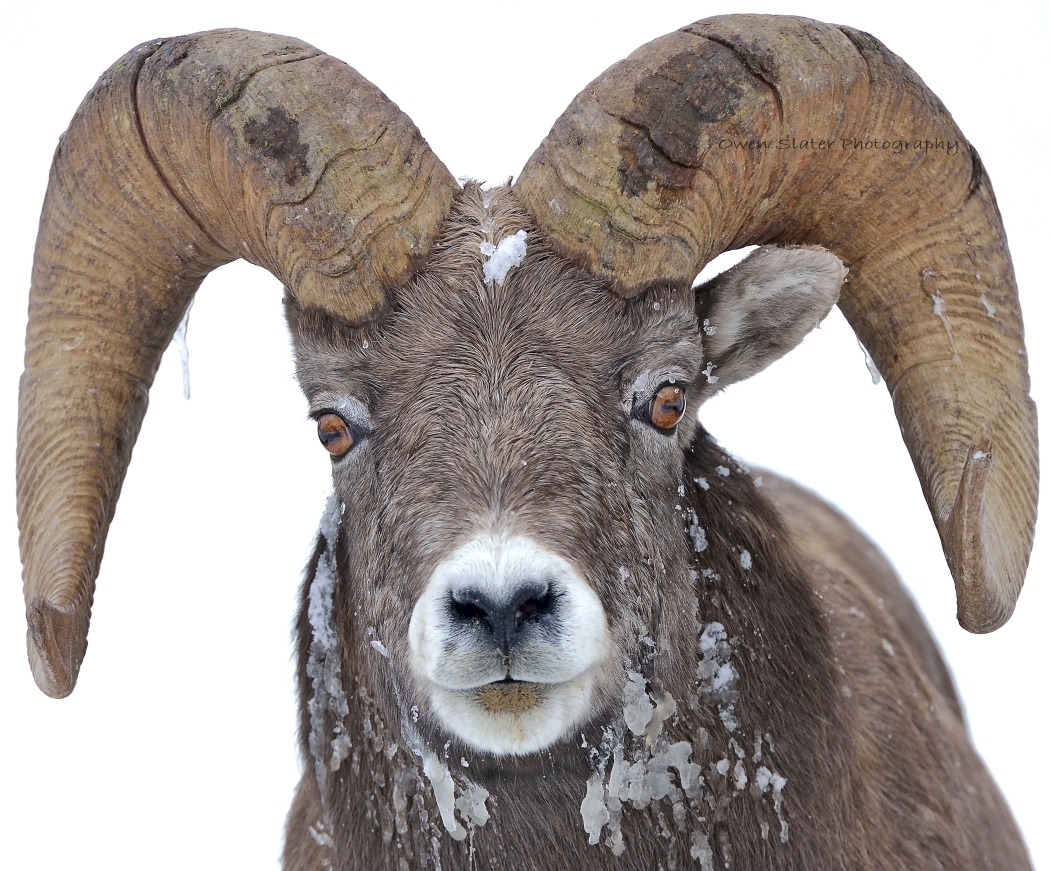
Ramcicle WMIt’s big horn sheep rutting season in Alberta and the big rams are at their most impressive. Covered in snow and ice, this ram was filling up on minerals, with some of them sticking to his lower lip, before heading up the mountain to battle with the other rams for breeding rights.

Rocky Mountain Moose

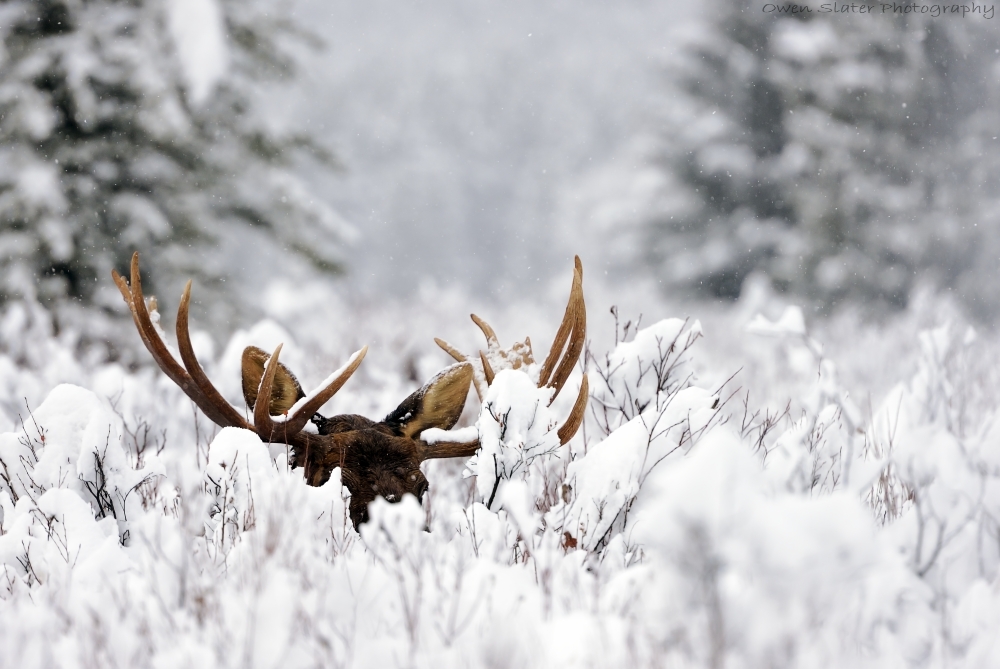
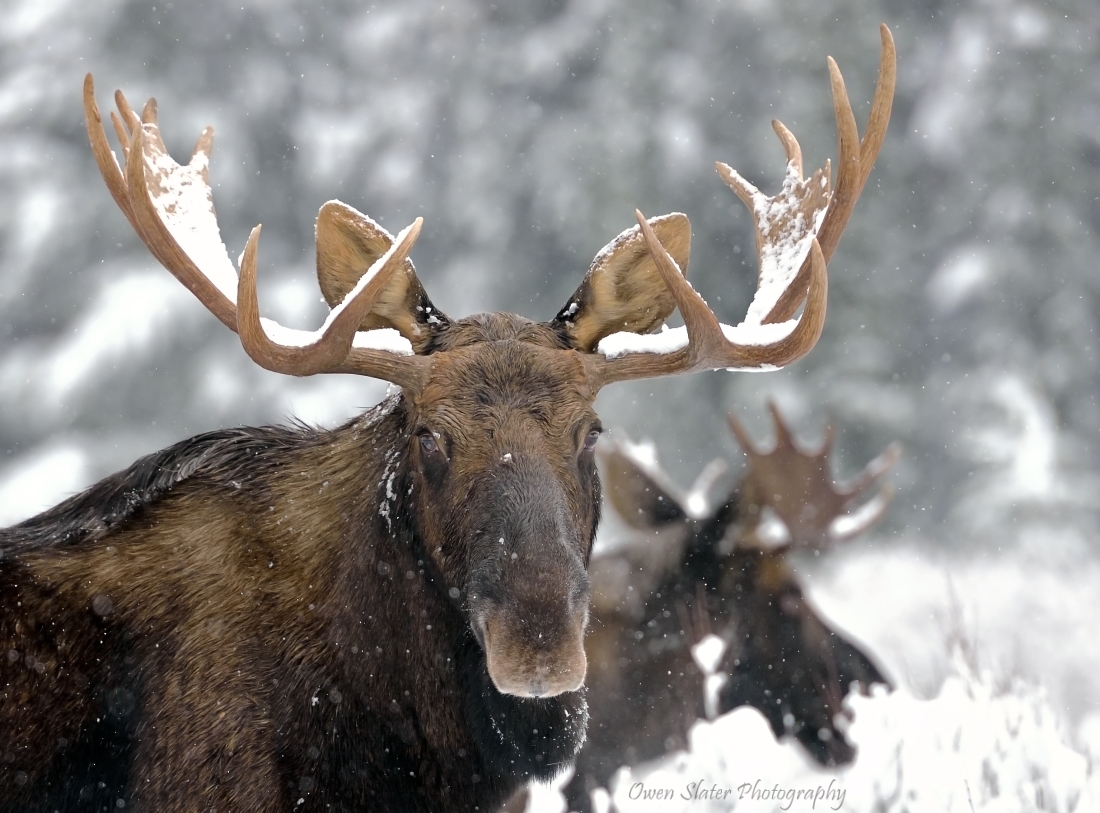
It’s relatively rare to see moose in the Rockies. I see more wolves and bears than I see moose, but late fall and early winter always seem to be good times to run into them. You would think it wouldn’t be hard to  find them when they weigh around 500kg and stand about 2.5 meters tall at the shoulder, but this bull was only given away by his prominent set of antlers while he bedded down during a snow storm.

Moose antlers snow fall WM

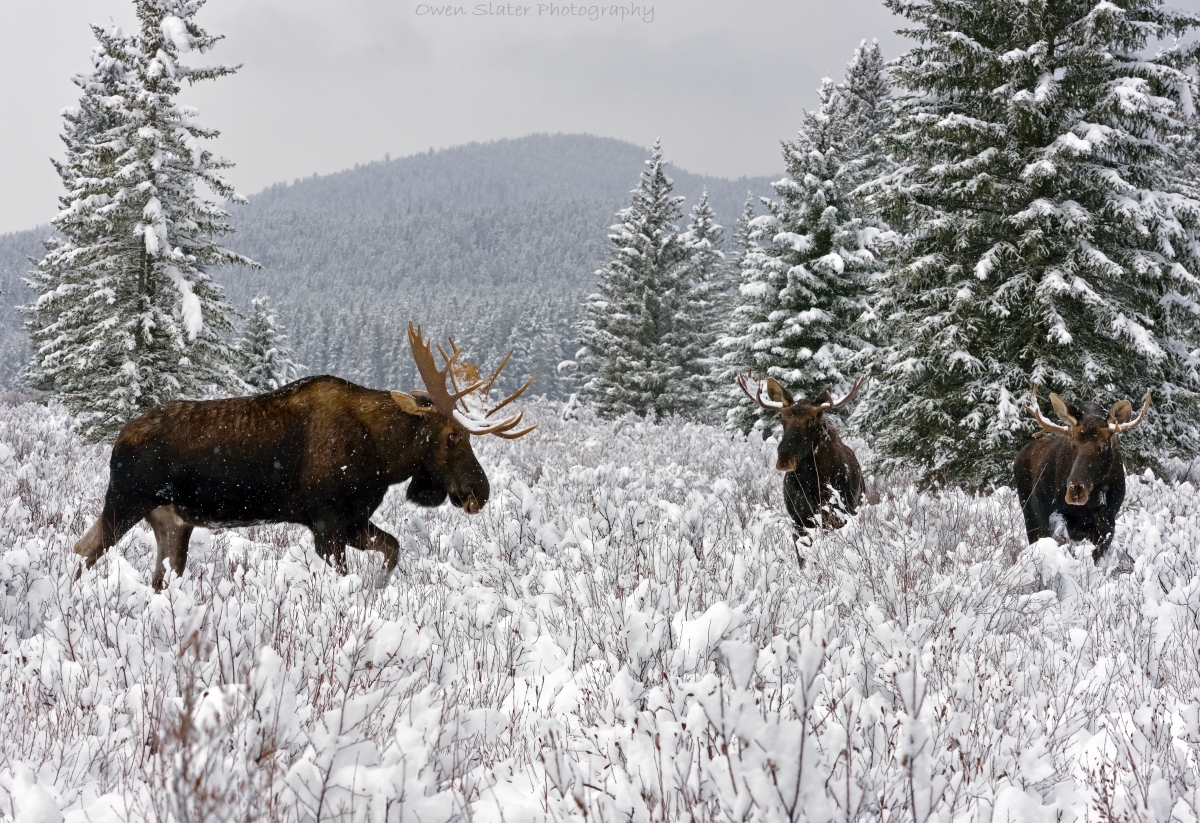
Two other similarly camouflaged bulls were resting nearby, but when they got up and started moving towards the larger bull it didn’t take him long to get their attention. He stood up, flattened his ears and strutted over to them.

3 male moose standing WM

Bull moose will posture before ever sparring and the smaller bulls quickly realized they had no chance, put their heads down and got out of his way.

Moose retreat WM

Satisfied with his work, the big bull turned and had a look at me. I had placed myself next to a large tree just in case I needed to make a quick escape, but I guess he didn’t feel I was even worth trying to scare off since he just turned around and went back to feeding on willows. I was just fine with that!

Bull Moose Antlers WM

Drunk Bohemians

It’s the weekend and the holiday season is in full swing!  For many that means having a few drinks and while we may think we are unique in the animal world for liking to consume alcoholic products, sometimes overindulging and getting ourselves intoxicated, there are many other species that do the same thing. Sometimes on purpose, sometimes by accident!

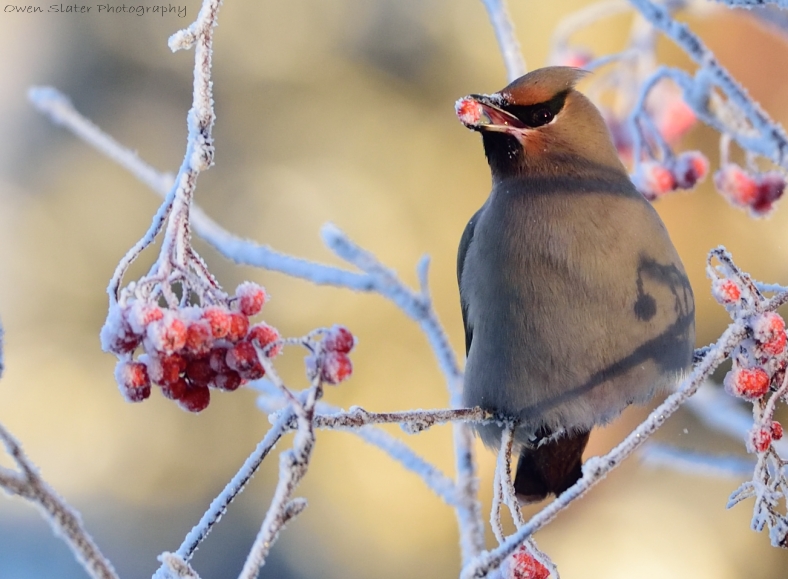
Waxwing morning frost WM

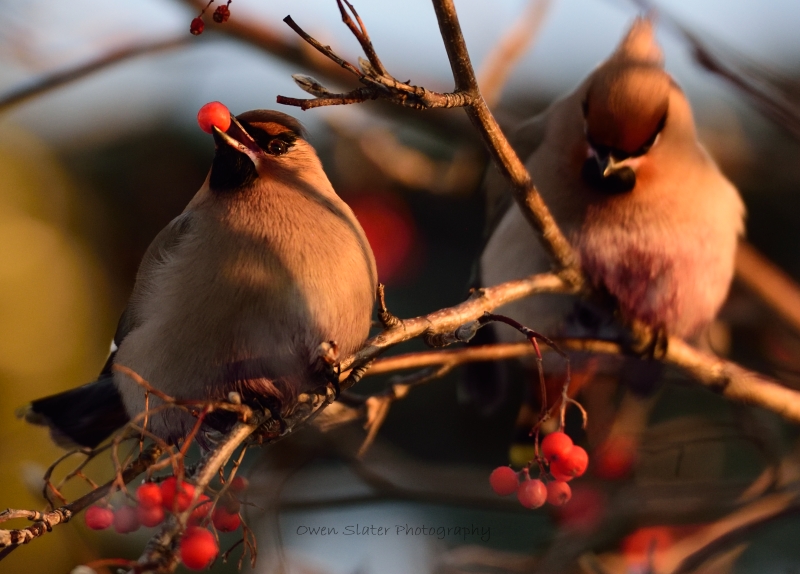
Take these Bohemian waxwings for example. Recently we treated several of these birds that came into the wildlife hospital with various injuries related to trauma. In early winter and spring it is common to come across large numbers of these birds on the ground, unable to fly and appearing drunk. They are in fact drunk!  Many berries ferment on trees and in Alberta a good example is mountain ash, a favourite of bohemian waxwings. If they don’t overindulged they are usually fine, but if they get a little carried away, they consume enough alcohol that they start falling out of trees!

Waxwing Frozen Berry WM

Some get picked off my cats and other predators, some recover soon enough to fly away and some try to fly but end up hitting windows, cars, buildings, etc. That’s the most likely reason why we had a handful come into us earlier this fall. We put them through our recovery program, which consisted of fluids, pain killers, rest, and a diet of non-fermented berries. They quickly sobered up and after several days, any lingering sore muscles, aches and pains were gone and they were ready to rejoin their flocks. Not too different from many people during the holiday season I would say!

Waxwings feeding WM

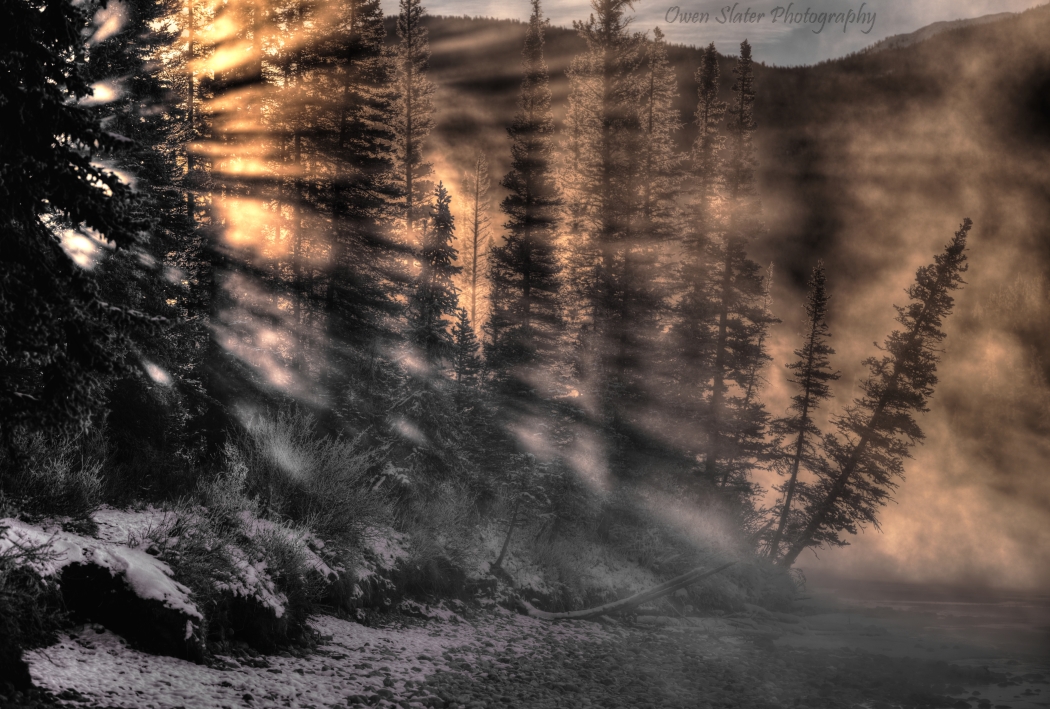
Bow River Magic WM

What better way to start the day than with a view like this?

Have a great day!

On Sunday I had the privileged of being a guest naturalist with Classic Canadian Tours on a one day Polar Bear Safari out of Edmonton. We had a wonderful day with over 20 bears spotted, including several mothers with cubs.

If you can only spare a day away from home over a weekend in October or November, I highly recommend these tours. The chartered flight from either Calgary, Edmonton or Saskatoon will take you directly to Churchill and have you out on the tundra viewing polar bears by mid-morning until dusk!  All meals are covered and there is even enough time to head into the town of Churchill to pick up a few souvenirs before heading home.

Below are just a few photos (click on each one for a larger view) from our trip on November 9th as well as more details about the bears and the trip itself. Enjoy and feel free to leave comments.

Polar bear play fighting B&W WMPolar bear sparring is a cold weather event. Only when temperatures get to around -10 degrees Celsius do the bears get frisky. Any warmer than that and they are too hot to play. Yes, you read that right! Polar bears are so well insulated against the cold that they only get active when the temperature dips to levels that would easily kill many other mammals. The above photo is of a mother (left) and her two year old cub that took a break from napping to spar during a winter snowstorm in Churchill, Manitoba.
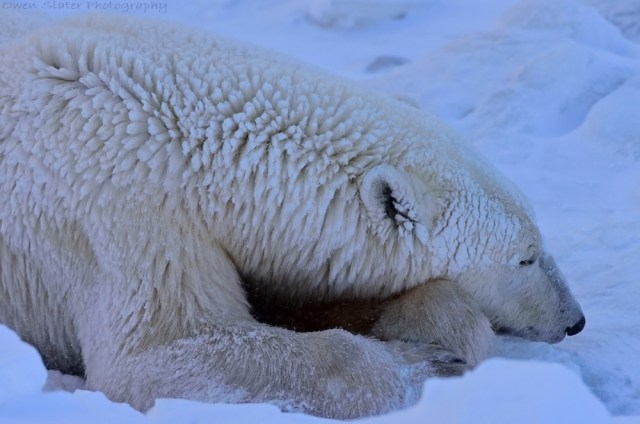
Frozen bear hair WMWith blowing snow starting to cover this bear, it hunkered down for a snooze. Polar bears are so well insulated that any snow that falls on their coat doesn’t melt  and provides another layer of insulation against the cold. Having not eaten a meal since July, the bears spend most of their time conserving energy while they wait for the sea ice to form. The late afternoon light, the snow crusted fur and the blowing snow over the paws of this bear made for an interesting photo

Polar bear paw and stare WMUp close and personal, this bear came to investigate our tundra buggy and provides a great example of just how big their feet are! Polar bears are great swimmers with these big feet and can easily outswim Olympic athletes. The longest swim ever recorded for a polar bear was 687km over 9 days straight!  The female bear lost 22% over her body weight during that time.
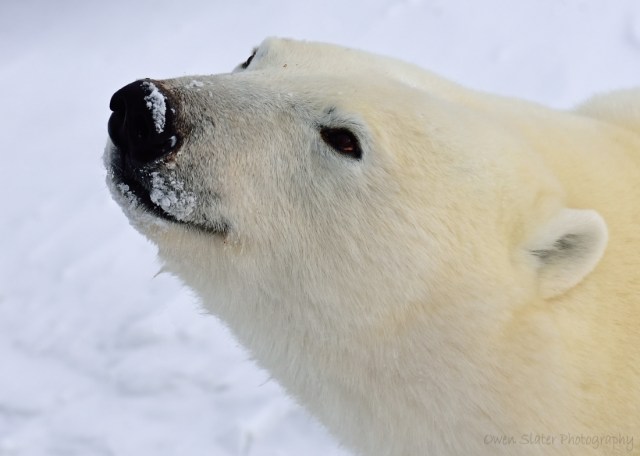
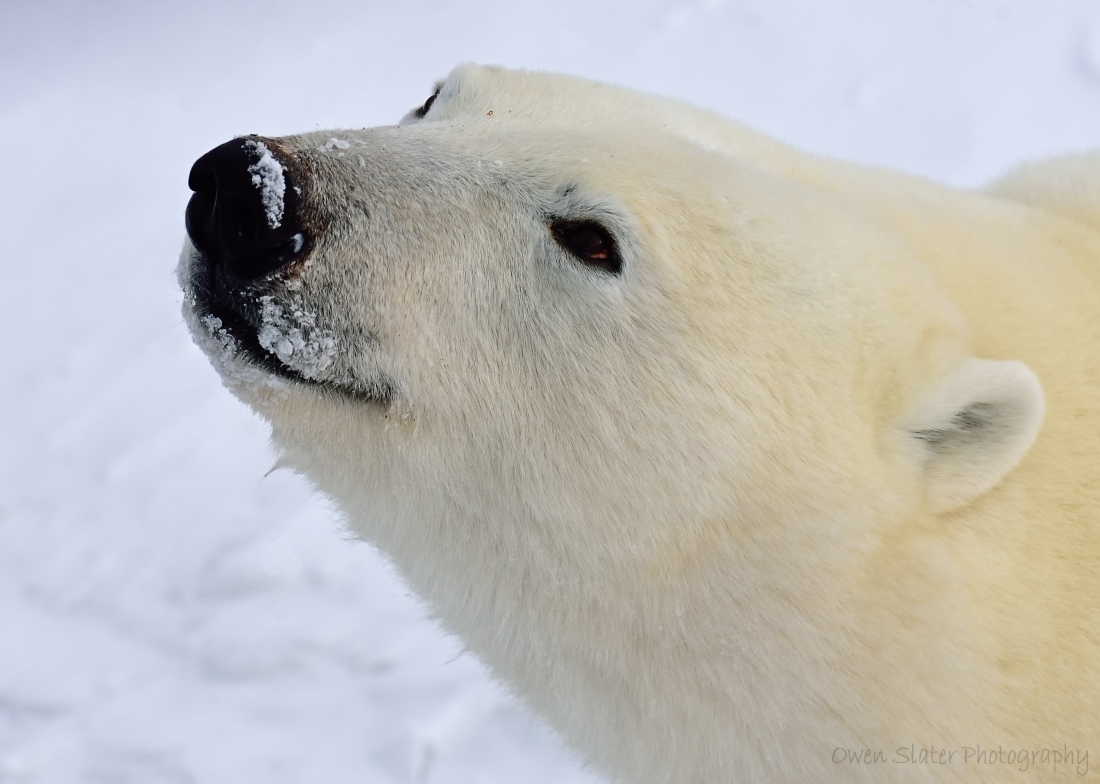
Polar bear smile WMPolar bears have an amazing sense of smell which is needed to find seals under ice and scattered over large stretches of the arctic. This bear was catching our scent as it passed next to our buddy.

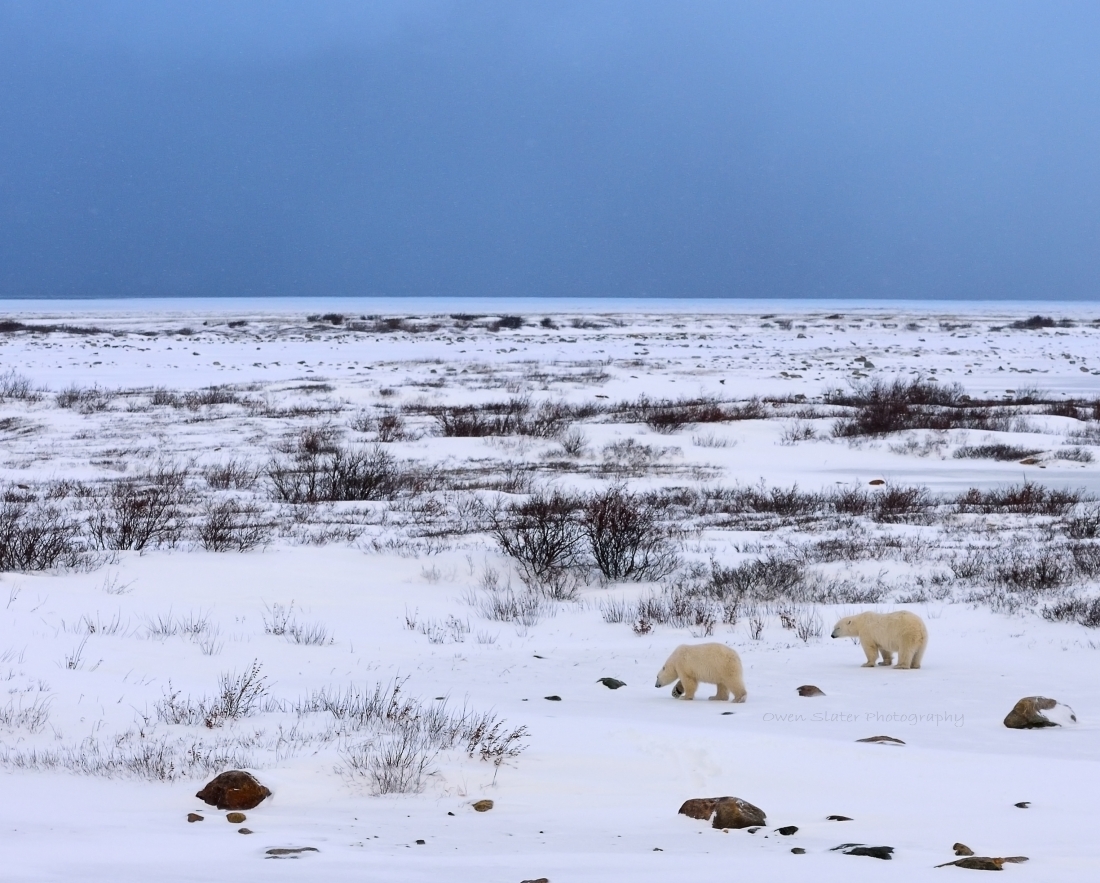
Polar bears and tundra landscape WMTo cap off our wonderful day, these two bears started heading out towards Hudson Bay as another storm on the horizon moved in on us. Hard to believe you can wake up and see polar bears all day long and be back home in the comfort of your own bed the same night!

If you would love to have an experience like this, check out Classic Canadian Tours website to get more details about this amazing safari and similar trips to see grizzly bears and beluga whales in other remote locations throughout Canada.

Wondering what the bears are up to right now?  Click on this link to watch live coverage from Churchill as the Tundra Buggy Cam gives you live streaming videos of the bears before they head out onto the ice to start hunting.

 

Fire Chicken

Sharp tailed grouse profile WM

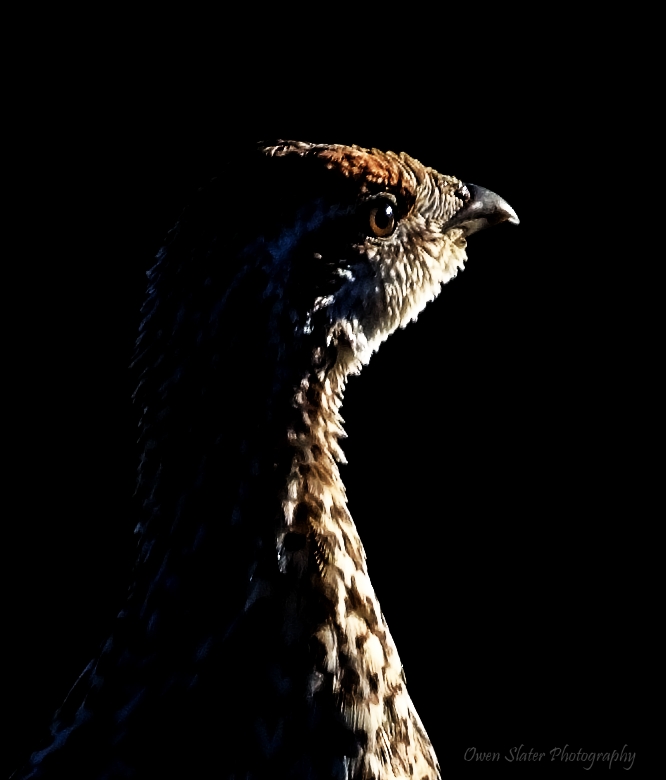
Rarely do wildlife and great lighting come together, but we got lucky over several days in Grasslands National Park. On one of our early morning drives in the park we were rewarded when this female sharp-tailed grouse or fire grouse walked out into the gorgeous morning light and seemed to pose for her photo. If only wildlife photography was always this easy!

Bison Grasslands Fog Panoramic WM

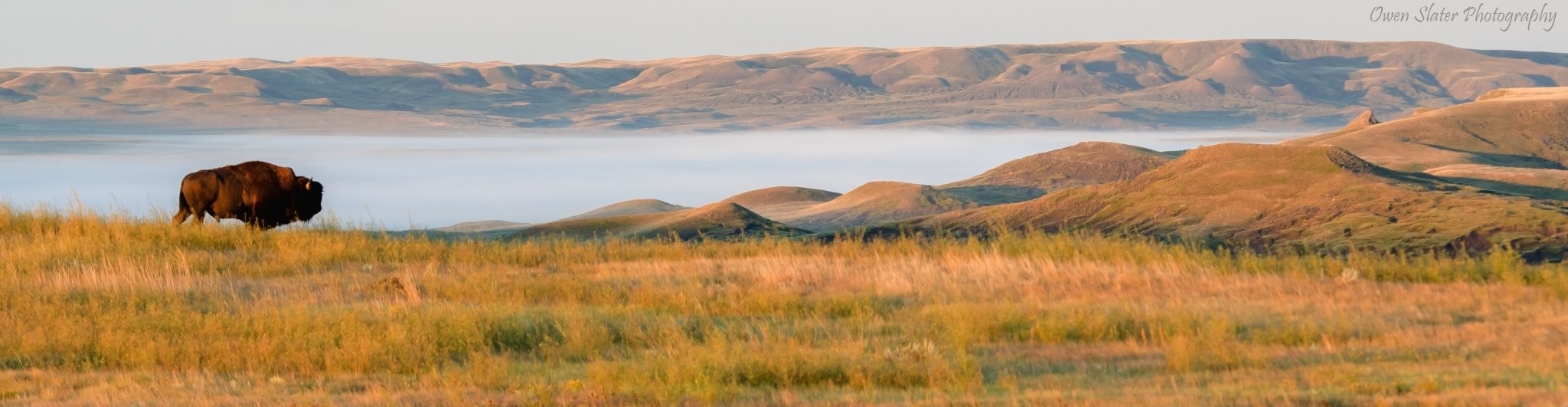
Few places in Canada offer the peaceful solitude, natural beauty and diversity of species as Grasslands National Park. I tried to capture the magic of this place during our visit last week. With the help of a  lone bull bison gazing down into the Frenchman River Valley on a foggy August morning, I got the photo I was looking for. (click on the image for the full size)

If you are ever in Saskatchewan this park is one of the gems of the province and certainly well worth the detour.

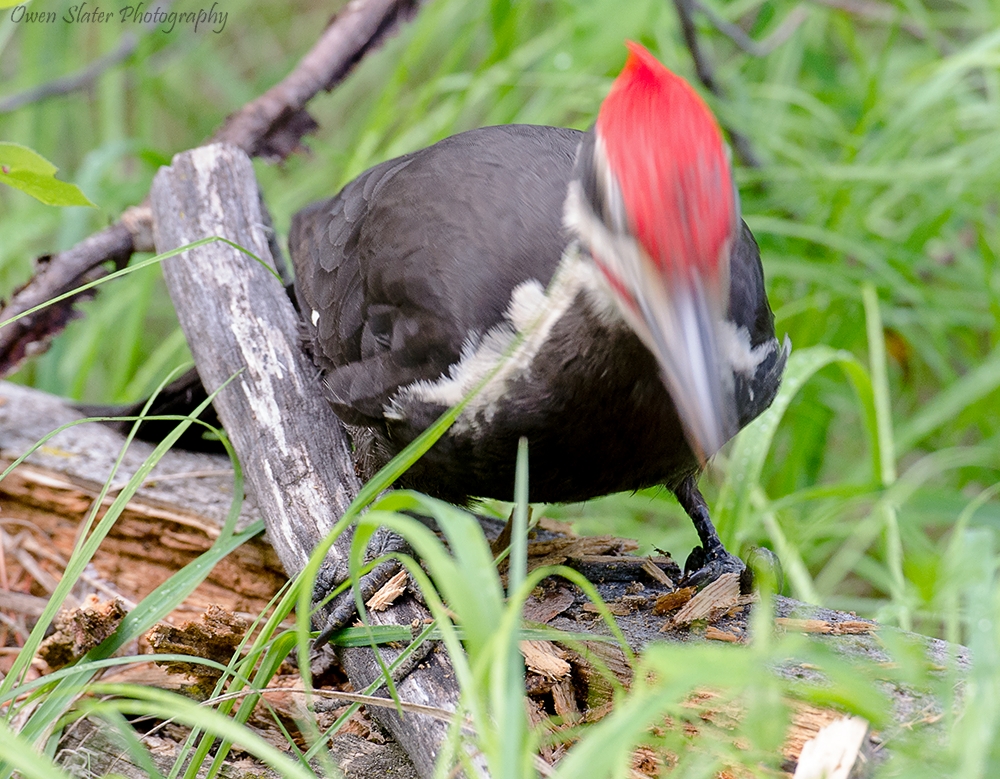
Pileated woodpecker 2 WM


Have you ever wondered how a woodpecker can repeatedly bash its beak against a tree and never become concussed or even just a little bit disorientated?

New research shows that woodpeckers like this pileated woodpecker I photographed in Banff National Park earlier this summer experience forces of 1500 g’s while pecking bark off trees to get to the tasty insects.  To put that in perspective, the highest g force roller coasters are rated at only 5 g’s. Fighter jet pilots experience a maximum of 12 g’s and the highest short-term g force a person has every survived was just over 200 g’s. Nowhere near what a woodpecker experiences repeatedly throughout the day and never seems to suffer any harmful effects.

Pileated woodpecker motion WM

So what makes this possible? A few of the adaptations woodpeckers have include an elongated upper beak and beak internal structure that diverts the impact energy away from the brain or absorbs any excess in the spongy bone sitting in front of the skull. The energy diverted by the beak travels to the hyoid bone that wraps around the entire skull of woodpeckers and serves as a seat belt for the brain.  Lastly, to prevent the brain from sloshing around, woodpecker brains are tightly packed against the skull with reduced cerebrospinal fluid (CSF) to prevent any movement.

To figure out how these adaptations help the woodpecker keep pecking at upwards of 20 pecks/second, researchers used CT scans to determine that they are able to deflect almost all (99.7%) of the impact to their heads through the rest of the body. What little remains is dissipated as heat in the beak and skull so that it never reaches the brain. This also explains why woodpeckers take frequent breaks from pecking on trees to let their heads cool down before their brains overheat! Pretty remarkable stuff with potential applications for helmet design to prevent concussions in people!

Certainly a group of birds with impressive adaptations. One day these birds might help save a lot of people from suffering brain damage and while we shouldn’t just care about nature for its benefits to us, it does provide one more reason to appreciate, preserve and learn more about the natural world.


Wild Pup

Wolf pup black 2014

Wild wolf sightings are always thrilling, but seeing and photographing wolf pups takes it to a whole new level. Finding them is the first challenge. Getting any decent photos is the next. I positioned myself next to a small clearing and silently waited, hoping one of them would come out into the clearing. Luck was on my side that day and I managed to get a few decent photos of this little black pup, no more than 3 months old before it trotted off to join its siblings as they explored their surroundings.

Curious Lynx

Lynx slink WM ss

One more photo from the amazing, wild lynx encounter! Which lynx photo do you prefer?

Here, Kitty Kitty

Lynx frontal cropped WM ss

Traveling the Alberta back roads has its perks! This beautiful lynx calmly strolled along the shoulder as I tried to contain my excitement long enough to get a few photos!

It came within 10-15 feet of us and not once did I hear its footsteps. The only sounds were of the very concerned red squirrels high up in the trees.

GGO release WM WP 640

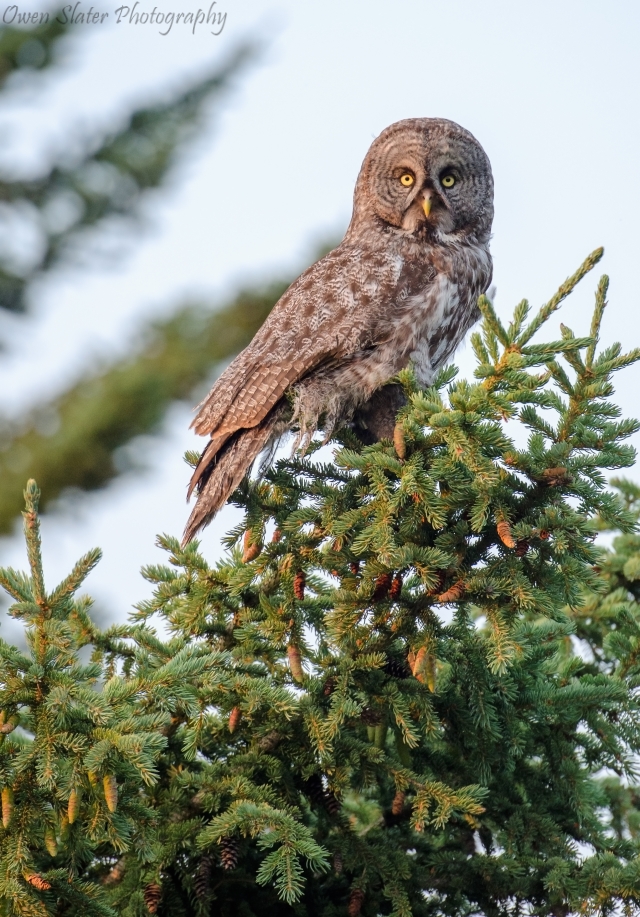
For some time now I have been meaning to posts stories and photos of a few of the wildlife patients I get the privileged of helping.  What better way to start than with a beautiful great grey owl?

This owl was hit by a car near Bragg Creek, Alberta and was found dazed and unable to fly by a concerned member of the public.  They were able to safely catch and bring it into us at the wildlife hospital.  A physical examination, blood work and x-rays confirmed that it did not have any fractured bones, so treatments were geared towards treating for the muscle trauma, dehydration and thin body condition.  The owl soon recovered from the trauma, but needed to regain some weight and its flight muscles so it was transferred to a larger, outdoor flight pen where it spent the next several weeks gaining its strength back. Last week it was strong enough for release.

On the release day, as with all raptors at the center, we placed a metal band on the left leg so that if the owl ever gets handled or spotted in the wild we can get an idea of how successful our efforts at rehabilitation are.