Category: Waterton Lakes National Park


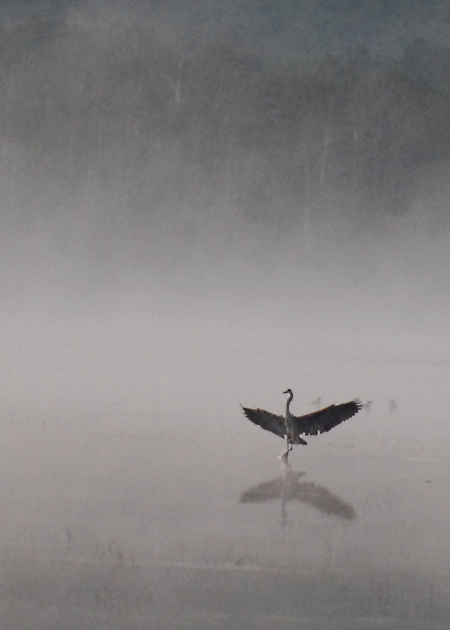
After spending a very cold night in my tent I woke up at 5am and drove down to the Maskinonge where I waited for the sun to start rising.  One of the great things about Waterton is the sudden change from prairies to mountains which means you can get the equivalent of 3 sunrises as you make your way from the prairies into the mountains.  On this particular morning I did just that.  Started with this great blue heron spreading it’s wings in the fog, then to the elk making their way into the forest and about an hour later up near Cameron lake I photographed moose swimming and eating as the sun broke over the mountain and started evaporating the fog.

elk-in-fog-at-sunrise

Across from Upper Wateron Lake the elk have started grouping up into small herds of 10 or so females with a bull elk trying to isolate the females for mating.  As usual the elk headed into the trees for the day before emerging at night to feed.

About an hour after taking the picture of the elk I made my way to Akamina Lake hoping to find some moose in the morning fog.  When I got out of my car and was getting my equipment together I could hear a moose calling to her calf and I knew I was going to have more good luck.  Sure enough, by the time I hiked down to the lake the calf had joined her mom and was standing along the shore as the mom fed from the vegetation on the bottom of the lake.

spruce-grouse-chick.jpg

When I was walking around Akamina Lake in Waterton searching for moose I almost stepped on this spruce grouse chick and her mother.  These birds will often sit along trails and only at the last instant will they fly off and usually not too far which makes them great photography subjects, but you have to wonder how smart they are!

upper-waterton-lake.jpg

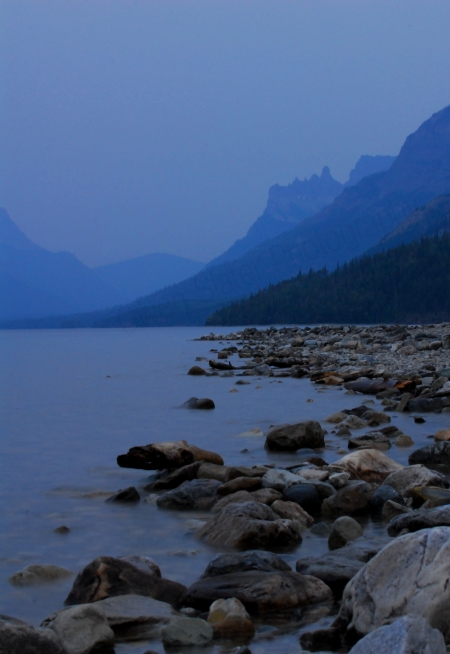
The following three photographs were taken in Waterton during the August long weekend.  I almost didn’t get this picture as I had figured all the good light was gone for the day and so I decided to treat myself to an ice cream cone. I was walking along the lake shore in the townsite when I saw this scene.  I quickly went back to my car and grabbed my gear. Thankfully I got this photo and was still able to eat my ice cream in between pictures!

moose-swimming-and-dragonfly.jpg

This moose came down to Akamina Lake both days that I visited it.  She would leave her twin calves (photos to come later) in the forest while she fed on the water plants and got away from the bugs.  In this photo there is a dragonfly near the ear of the moose. The dragonfly was feeding on flies that were forced to fly off the moose as she almost completely submerged in the water.

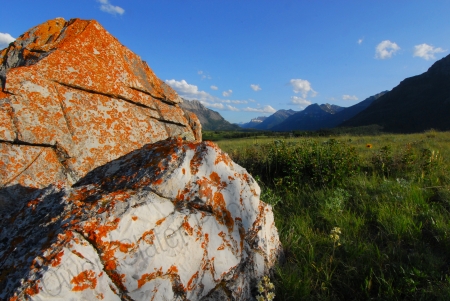
lichen-rock-mountains-clouds.jpg

A lichen covered bolder sitting in the open prairie overlooking Waterton Lakes National Park.

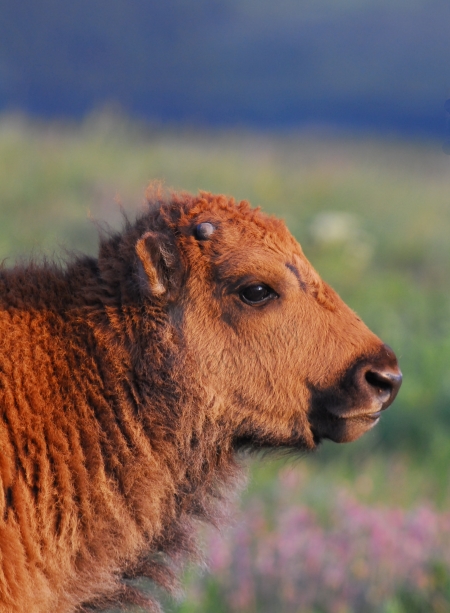
bison-calf.jpg

One of three bison calves born this year in Waterton Lakes National Park.

gho-fledgling-in-flight.jpg

This great horned owl fledgling flew off to join it’s sibling to feed on a ground squirrel that was delivered by their mom.

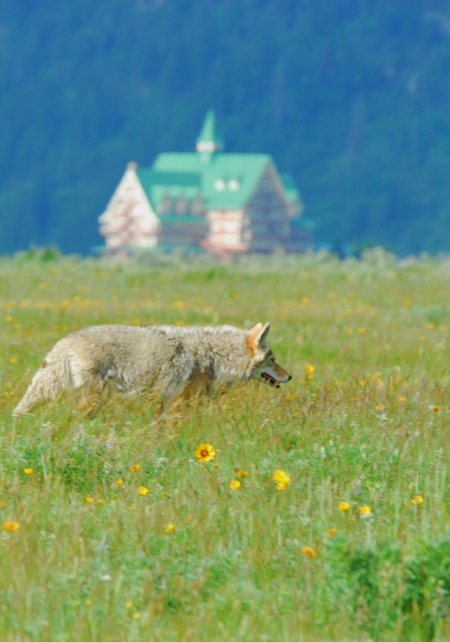
coyote-and-prince-of-whales-hotel.jpg

A coyote walks through the prairie in search of ground squirrels with the Prince of Wales hotel in the background.

elk-silhoette-in-river.jpg

During the night the elk make their way out from the trees to the open grasslands in Waterton. These two females where heading back into the forest as the sun was rising. Sunrise and sunset are the best times to see the elk.

gho-wings-stretch.jpg

I took this photo near the park entrance to Waterton where this and one more GHO fledgling waited for their parent to come back with ground squirrels for them to feast on.

bison-and-baby-drinking.jpg

In Waterton the bison are kept in a large paddock.  This year there are three calves increasing the herd size to 14 animals.

mule-deer-fawns.jpg

These fawns, with their bright blue eyes were in the Waterton townsite where many mule deer are found.  By staying near the town the deer have access to lots of green grass and are less likely to be predated on.

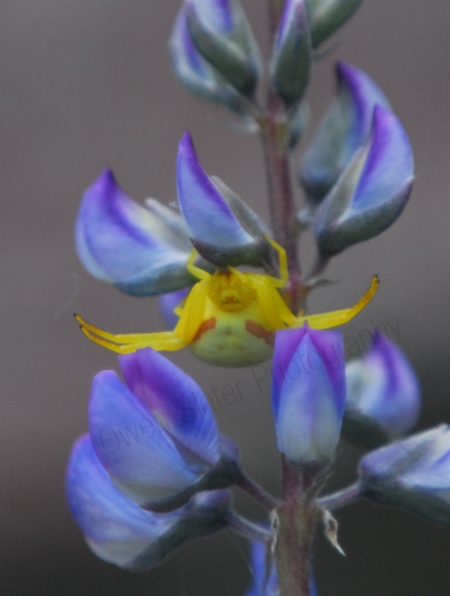
goldenrod-crab-spider.jpg

A common spider that apparently can change from yellow to white depending on what colour of flower the spider is on.  This on must have been colour blind.  These spiders hide under flowers until wasps or bees come to feed and then they are ambushed by the spider which bites the prey and injects venom that paralyzes the prey.  (They aren’t poisonous to people)