Category: Alberta


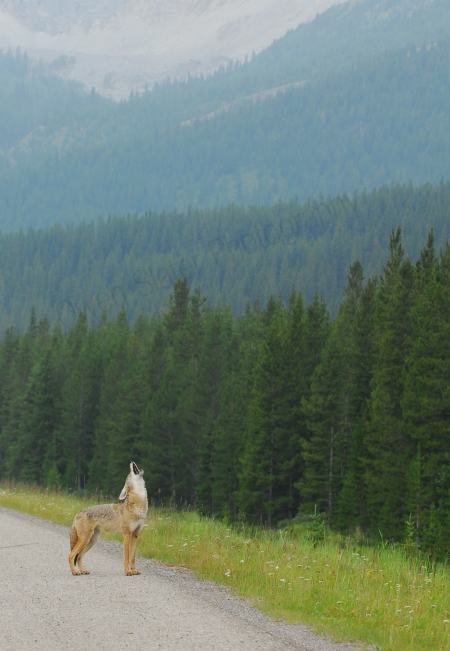
Most wildlife I see outside the national parks almost always runs off into the forest to get a safe distance away from people. Coyotes are no exception.  They are incredibly smart, and so adaptive that some have learned to live exclusively in major cities preying on urban wildlife (and the occasional cat or dog).  Efforts to rid them from the country side have failed and in fact it usually results in the coyotes adapting to the point that their numbers increase. This lone coyote was sleeping on the shoulder of the road.  I slowly approached then stopped my car and turned off the engine. The coyote continued to sit on the road but eventually got up, stretched and yawned and then proceeded to howl.  It did this several times, but without getting a response back, it slowly wandered off in search of some unsuspecting ground squirrels.
Spring in K-country is one of the most beautiful places I have ever seen! It certainly makes up for the long, harsh winters. Thousands of wildflowers (mostly indian paintbrush in this photo) in the valleys with the backdrop of mountains and coniferous trees.  The best part…only an hour away from where I live.

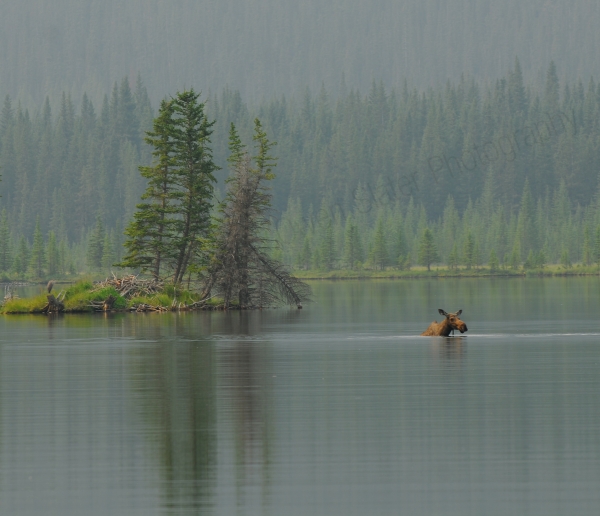
Last year was a very wet summer in southern Alberta and the result was a lot more insects. I have been trying for years to get photos of dragonflies in flight but they are so quick and their flight so erratic that I never managed to get a photo I was happy with. After going down to the shore of a pond to photograph a moose I noticed what seemed like hundreds of dragonflies flying around.  Each dragonfly seemed to have a defined aerial territory that it would defend against if another dragonfly entered it’s airspace.  After chasing off the invaders they would return to the same general area to hover and wait.  After watching the same dragonfly for some time I figured out where along the shore I should sit to have the best chance of photographing it while it was hovering.  One afternoon and hundreds of photographs later I managed to get a few I liked. This photo was taken with the pond and clouds reflecting in the water behind the dragonfly. As for the type of dragonfly, it is either a paddle-tailed or lancet-tipped darner.  Apparently you can ID them based on the tail anatomy but unless you find a dead one it’s pretty hard identifying them in flight even with still photographs.

I took this photo last summer in Banff National Park along the 1A highway. I’m not sure what the flower is but the bumble bee certainly liked it. It went from flower to flower for well over 10 minutes.

DSC_0660

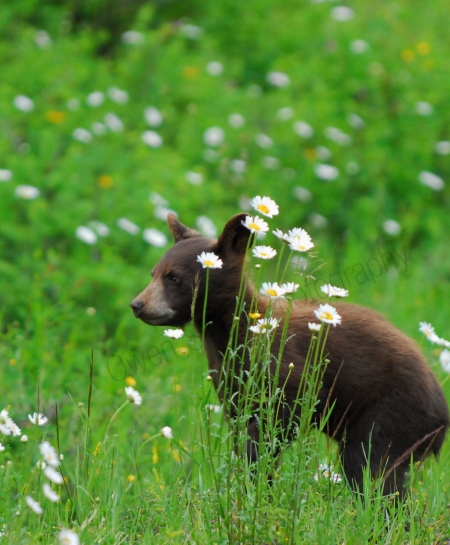
One of my favorite photos from the trip. This little black bear was the last to cross the road after it’s mother and sibling had already made it across. Instead of running into the forest, as soon as it crossed the road it stopped behind the daisies until the mother came back, licked it’s face, made sure that I wasn’t too close and then they wandered off to eat.

DSC_0718

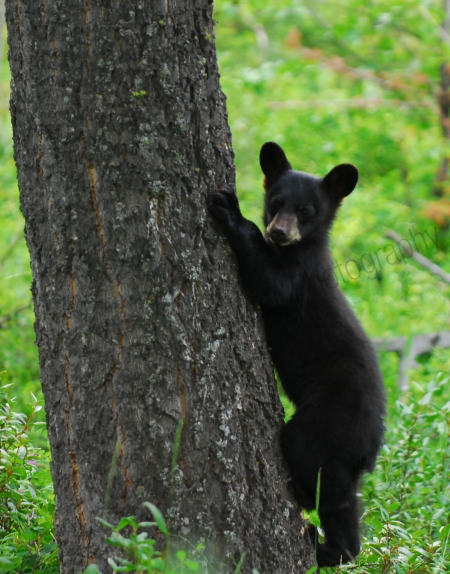
This is the sibling of the cub in the first photo.  The mother kept them in the same area near the Waterton town site for several days so I was able to follow them from a safe distance for some time to get these photos. At one point this cub chased a squirrel up and around a tree.

(c) Owen Slater 0402

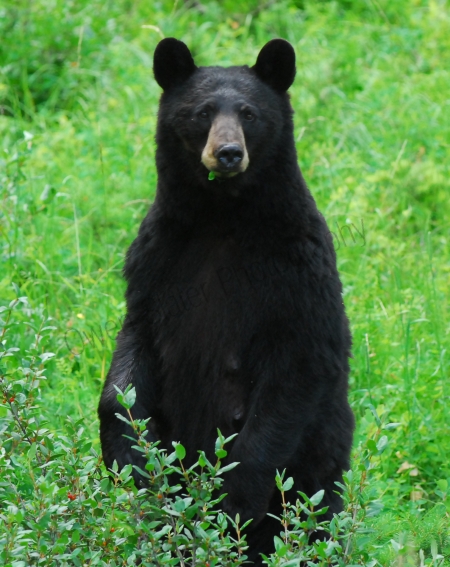
With the mother already across the road she went up on her back legs to check to see that her cubs were following.  This black bear has her territory surrounding the Waterton townsite and over the course of two days I saw her wandering past the information centre, Prince of Whales hotel and Linnet Lake and she never once approached people despite numerous people getting too close to her on foot.

DSC_1194

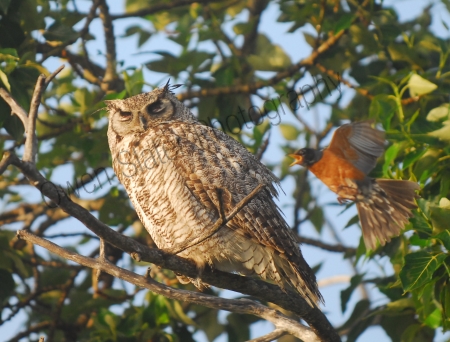
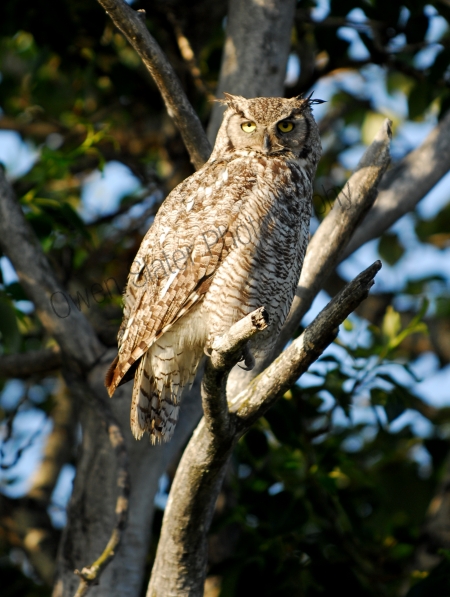
Another one of my favorites!  This Great Horned owl was sitting in a tree only about 40 feet from the main gate early in the morning.  Two of her recently fledged offspring flew off when I arrived, but this one stayed.  I photographed her for almost an hour, and during that time various song birds would see her and try to disturb her enough to fly off.  This robin was the most persistent and made several fly-by attempts to get the owl to leave but the owl just closed her eyes during the fly-bys.  The robin eventually flew off and even I left before the owl as the sun got too high in the sky and started washing out all the colours.

DSC_1219

DSC_1136

One of the great things about Waterton is the wildlife and once you get to know the park it is relatively easy to see a lot of wildlife without having to travel very far to see it.  On this trip it was like none of the animals had moved since I was there almost two years ago.  The elk were still below Mt. Vimy hiding in the trees during the day and then would make there way out onto the plains at around sunset, the great horned owls were raising another clutch near the main gate and were perching in the dead trees in the marsh, the black bears were wandering around Red Rock Canyon Road, etc. etc.  It was so great to go back…my favourite place in Alberta!

DSC_1077

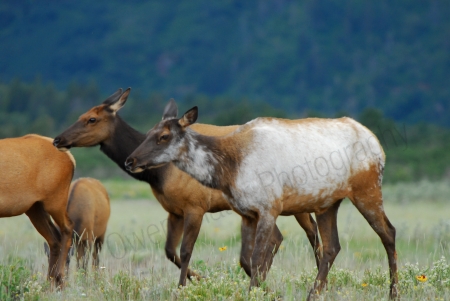
This adult female elk stood out like a sore thumb in the rest of the elk herd but obviously she has survived despite this variation in colour, although she was slightly thinner than the rest of the herd as evident by her prominent spine.  Sometimes white discolouration of animals can be caused by parasites, disease or wounds but these problems usually only effect a small portion of the fur.  This elk didn’t appear to have any of those and therefore the most likely cause is genetic.  If you search the web there are numerous pictures of white elk and piebald deer but it appears calico or piebald elk are not that common and I have yet to see another photograph of one. Please share if you have!

DSC_1075

(c) Owen Slater 0425

(c) Owen Slater 0587